
Configuration flows, investigation tools and tables with thousands of rows usually get design attention last. They decide whether a platform works.
At adjoe, an unclear status meant a support ticket and an ambiguous default meant a payout error. Customers judge a platform by the tools their own team opens every morning, so those screens end up deciding renewals.
Most of my week goes on work that never reaches a portfolio: reading the data model, arguing about field order, deciding which of sixty settings a publisher should never see. The visual work is the last ten percent.
I started in consumer work: car rental inside Getir, then the Mobile Suite team at Insider. At adjoe I took on an internal tool nobody wanted and found the constraints more interesting than the freedom I had been after. When a payout is wrong, someone loses money and someone else has to explain why.
Four things I do before I open a design file.
On platform work, this is where most of my time goes.
Read the data model
If I cannot explain the events behind a screen, I am not ready to design it. The user investigation work started as an event spec, before any screen existed.
Find who actually decides
An engineer and a commercial owner ask different questions. Ordering publisher setup by who answers each section fixed more than any amount of field reordering.
Name the tradeoff out loud
Every structural choice costs something. I write the cost down before it ships, so I can still defend the choice six months later.
Go back and audit it
The most useful problems I find are in my own shipped work. The user investigation roadmap came almost entirely from auditing it.
Opinions I have argued for, and occasionally lost.
Defaults are the real design
Most people never open advanced settings, so the default is how the product behaves.
In publisher setup, 54 of 60+ settings had no description. The defaults decided nearly everything.
Some actions deserve friction
Editing a live promotion changes what users see immediately and cannot be undone. I argued for a confirmation dialog against a PM who wanted the flow linear, and we shipped it.
We had already paid for one live edit mistake.
A design system is an agreement
Tokens record what designers and engineers agreed on. Naming them by role is what got engineers to use them.
Engineers reach for primary.dark. Nobody reaches for adjoeBlue 700.
Pull it if it does not hold up
My keyboard focus ring looked right in isolation and clipped once it sat inside dialogs and filter panels. I paused it.
It comes back once containers reserve space for it.
A short version of the path.
Senior Product Designer, adjoe
Platform UX across two dashboards, plus ownership of the design system. Built the user investigation platform, rebuilt publisher onboarding, and designed two new promotion types.
Senior Product Designer, Insider
Led the Mobile Suite team from ideation through release. Ran more than thirty usability tests and tightened design ops, which moved handoff satisfaction from 7.2 to 8.8.
Product designer, Getir
Launched car rental inside the super app and shipped EU focused features. Fast consumer releases with a short feedback loop.
Designer, Koç University and freelance
Branding and interface work for startups and NGOs, plus a campus app redesign that cut IT support calls by more than half.
Mistakes that show up in a number
In every role I stayed in, a wrong decision showed up in a metric someone tracked. I look for that.
Numbers I can walk you through.
From ad tech, martech and consumer apps. Ask me how any of them was measured, including where the measurement is softer than the figure.
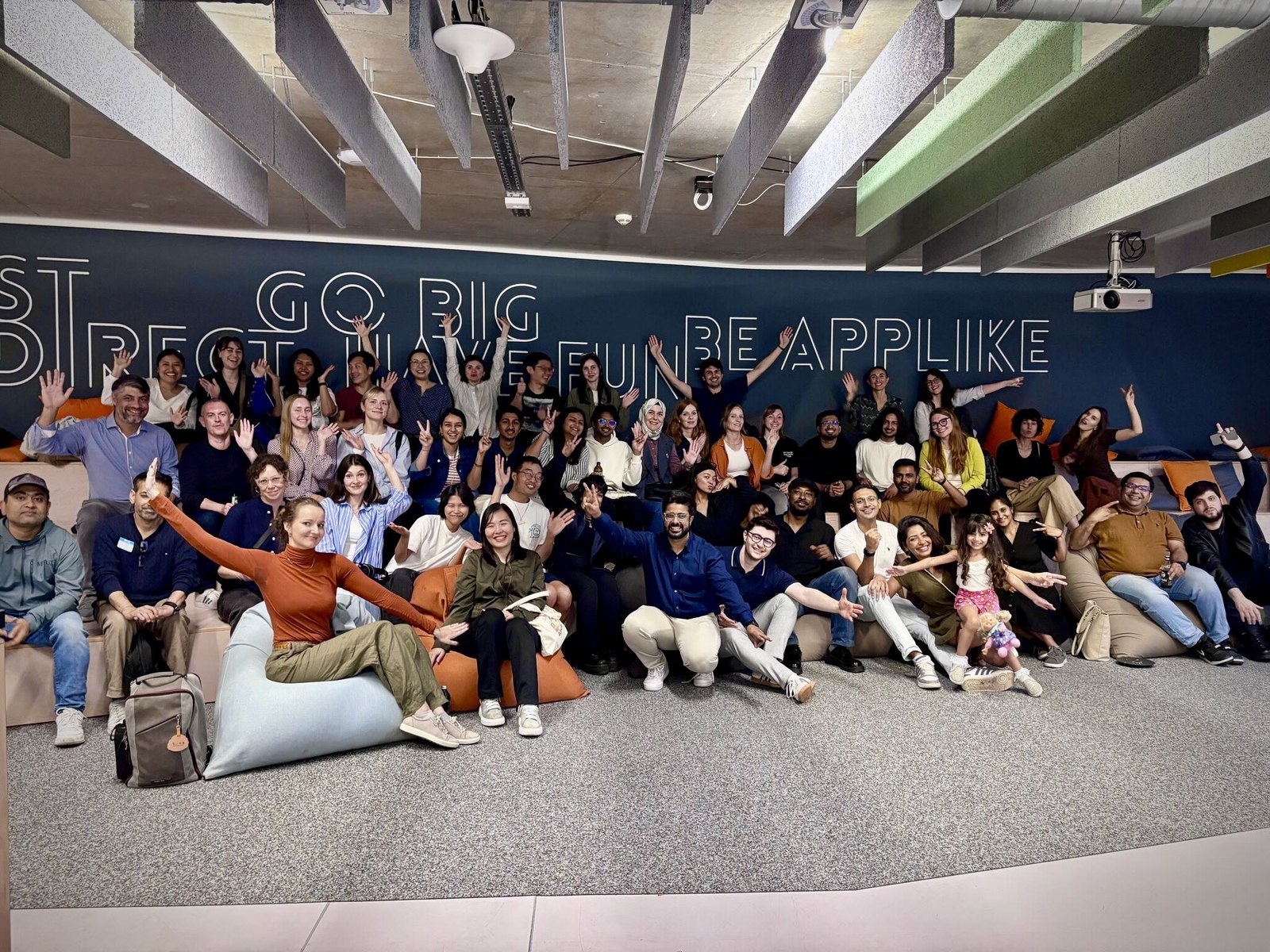
Local Leader, Interaction Design Foundation Hamburg.
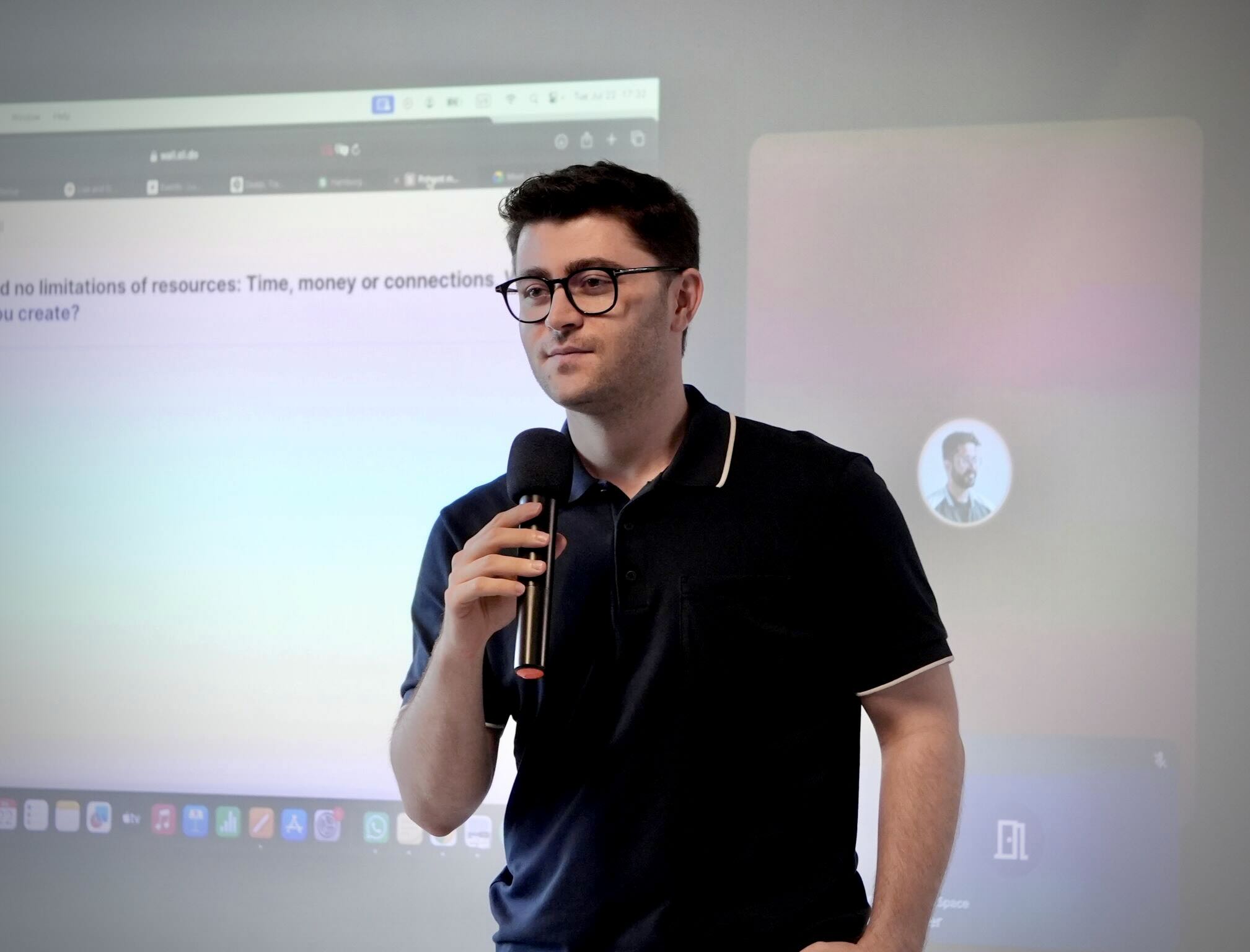
I run the Hamburg chapter of the Interaction Design Foundation. I find the venue, set the format, and make sure anyone who arrives alone leaves having spoken to someone.
Most of it is logistics: a space, an agenda, a cap on numbers so people can still talk, and follow ups so the group holds together between events.
It helps at work too. Explaining a design decision to a room of designers from different backgrounds is good practice for getting one past engineers and commercial owners.
Three things I spend time on.
Playing with AI
Mostly through OpenCode with Opus 5 and GPT 5.6, testing whether our design system reads well to a model.
Drawing and watercolour
Painting with no brief and nobody reviewing it.
Family
Time with my daughter and my wife. We travel often, usually somewhere none of us has been.
If the problem is complicated, I am interested.
Open to senior and lead roles in B2B and platform teams. Happy to talk through any of the work in detail, including the parts that did not go well.